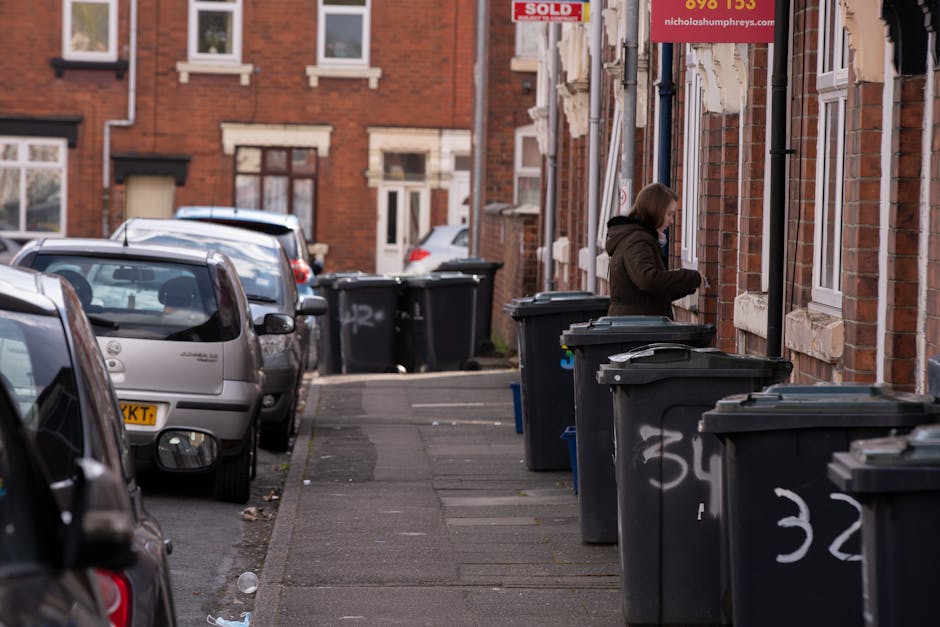
Emergency rubbish clearance Euston Road properties today

If you need Emergency rubbish clearance Euston Road properties today, chances are you are dealing with a messy, time-sensitive problem rather than a routine tidy-up. Maybe a tenant has moved out and left behind furniture, bags, and broken items. Maybe builders have finished late and there is rubble in the hallway. Or perhaps rubbish is blocking access, making a flat feel cramped, unsafe, and frankly a bit overwhelming.
Whatever the reason, the goal is usually the same: clear the space quickly, do it safely, and avoid creating a second problem by handling waste the wrong way. This guide explains how emergency clearance works, what to expect, what to avoid, and how to make a fast decision without panicking. A bit of calm helps here. Let's get it sorted.
Why Emergency rubbish clearance Euston Road properties today Matters
On a busy London road like Euston Road, rubbish problems are rarely just cosmetic. In flats, offices, mixed-use buildings, and rental properties, one blocked hallway or overloaded bin area can create knock-on effects very quickly. People need access. Contractors need space. Neighbours do not want lingering smells or trip hazards. And if waste starts building up near entrances or communal areas, things can become awkward fast.
Emergency clearance matters because it prevents a small issue becoming a bigger one. A pile of waste can attract pests, make cleaning harder, and slow down other work such as decorating, letting, repairs, or a handover between tenants. In some buildings, it can also cause friction with building managers or concierge teams. Nobody enjoys that conversation, especially on a Monday morning.
There is also a practical side that gets overlooked. If a property is being sold, re-let, or handed back after works, the state of the waste area can influence how the space is perceived. A clean, empty room simply feels more manageable. You walk in and think, right, we can move forward now.
Expert summary: emergency rubbish clearance is not just about speed. It is about restoring access, reducing risk, and getting a property back into a workable state with minimal disruption.
For property owners and managers who need a broader clean-out, services such as home clearance or flat clearance can be a sensible starting point when the waste is mixed with furniture, household items, or leftover contents.
How Emergency rubbish clearance Euston Road properties today Works
Emergency rubbish clearance is usually faster and more responsive than a planned clearance job. The process is designed to reduce delay, confirm what needs removing, and send the right team with the right vehicle and equipment. Simple in principle, though in real life there is often a bit of back-and-forth because every property is slightly different. That is just the nature of London buildings, to be fair.
What typically happens first
The first step is usually a quick assessment of the waste type, access, and urgency. Is it bags only? Furniture? Builders' waste? A mix of everything? Is there lift access or just stairs? Can a vehicle stop nearby, or will there be a longer carry distance? These details matter because they affect how long the clearance takes and how many people are needed.
How same-day or urgent attendance is arranged
In an emergency, the aim is to keep the admin light and the response fast. You will usually be asked for:
- the property type and location
- what needs to be removed
- approximate volume or number of items
- any access problems, parking issues, or stair-only access
- whether any items are fragile, heavy, or potentially hazardous
If the clearance is urgent, it helps to send photos. Not glamorous, I know, but a couple of clear images can save a lot of time. They help the team judge the load properly and avoid underestimating the job.
What happens on site
Once the team arrives, they will normally confirm the scope, plan the removal route, and start loading in a way that protects walls, floors, and shared spaces. The better operators work methodically. They do not just grab the nearest items and hope for the best. In a narrow Euston Road property, that kind of rush can cause scuffs, noise, and avoidable stress.
If the waste includes bulky items, damaged appliances, or mixed material, some sorting may happen on site. Reusable or recyclable items may be separated where possible. For specialist items, dedicated services such as fridge and appliance removal or mattress and sofa disposal can make the job cleaner and more efficient.
Key Benefits and Practical Advantages
When you need a fast response, the benefits are not abstract. They are immediate and visible. The floor is clear. The doorway is usable again. The smell is gone, or at least much reduced. You can breathe a little easier.
- Speed: urgent collection can free up a property the same day, depending on access and load size.
- Safety: removing trip hazards, sharp edges, and unstable piles reduces the chance of accidents.
- Less disruption: a quick, organised clearance is easier on neighbours, tenants, and building staff.
- Better presentation: empty, tidy rooms are easier to clean, inspect, repair, or market.
- Waste handling support: the right team can deal with mixed items, heavy waste, and awkward loading.
There is also a surprisingly useful psychological benefit. A cluttered space can make every task feel harder than it is. Once the rubbish is gone, decisions become simpler. You stop working around the mess and start working on the property itself.
For business premises near Euston Road, urgent clearance can also keep operations moving. If waste has built up in an office, back room, or communal area, a quick response can make a big difference. In some cases, office clearance or business waste removal may be the better fit if the problem is commercial rather than domestic.
Who This Is For and When It Makes Sense
Emergency rubbish clearance is not only for dramatic situations. Sometimes it is the obvious choice when time is tight and the property cannot wait. A few common examples:
- Landlords dealing with end-of-tenancy waste left behind by a tenant.
- Estate and property managers preparing a flat for inspection, repair, or re-letting.
- Homeowners facing a sudden accumulation after a declutter, delivery, or room clear-out.
- Contractors needing builders' waste removed so the next stage can start.
- Businesses who need urgent removal from storage rooms, back offices, or service areas.
- Families handling a stressful move, bereavement, or unexpected clearance deadline.
It makes sense when the waste is stopping you from doing something important: handing over a key, getting a room back into use, allowing cleaning to begin, or meeting a deadline. If you are sitting there thinking, we need this gone today, not next week, then emergency clearance is probably the right category.
For heavier domestic jobs, house clearance and loft clearance can help when the issue is not just a pile of rubbish but a fuller contents removal. And if the clutter is limited to one room, furniture clearance may be enough.
Step-by-Step Guidance
If you want the clearance done quickly and with less friction, follow a simple process. It sounds basic, but it works.
- Identify the exact problem. Is it bagged rubbish, bulky furniture, builders' debris, or a mixed pile? A quick label like "two sofas, ten bags, and a broken desk" is much more useful than "a lot of stuff".
- Check access. Note stairs, lifts, narrow corridors, timed entry, parking restrictions, or concierge rules. In central London, access can matter as much as the waste itself.
- Separate anything sensitive. Keep aside documents, valuables, medication, keys, and anything personal. Once the clearance starts, you want no confusion.
- Flag specialist items early. Appliances, sharps, chemical containers, or potentially hazardous waste need extra caution. If there is any doubt, say so upfront.
- Get pricing clarified. Ask what the quote covers, whether labour and loading are included, and what might change the price on arrival.
- Prepare the route. If possible, open doors, move parked items, and clear a path to the front door or lift. Every minute helps when the job is urgent.
- Confirm disposal expectations. Responsible clearance should not feel vague. You should know roughly how items will be handled and whether recyclable materials will be separated where practical.
A small practical note: if the property is large or the rubbish is spread across several rooms, take a quick walk-through before the team arrives. It is easier to point things out once than to keep discovering another pile in the spare room five minutes later. Happens all the time.
Expert Tips for Better Results
The fastest emergency clearances are usually the ones where the customer gives precise, usable information. That is the honest truth. A few expert habits make the process smoother.
- Send photos in good light. If you can, take them near a window or with the room light on. Dark photos make estimating harder.
- Be honest about volume. If there is more than you first thought, say so. Underplaying the load can slow everything down.
- Group items by type. Bags together, furniture together, and builders' waste together. That helps planning and loading.
- Keep access clear for the team. Small things like bikes, mop buckets, and shoe racks can become odd little obstacles.
- Ask about fragile communal areas. If there is a shared hallway, lift lobby, or carpeted stairwell, extra care matters.
- Think beyond removal. If the space needs cleaning afterwards, arrange that next. One job leads into another, and it is easier if you plan both.
For mixed waste jobs, it can help to understand what can be taken in a load and what needs special handling. A useful reference point is the site's guidance on what can go in a skip, even if you are not using a skip itself. The same basic thinking applies: separate the awkward items early.
And a small human tip, if you want one. Keep a mug of tea nearby and breathe before the team arrives. Sounds silly, but emergency jobs go better when the person in charge is not running on pure adrenaline.
Common Mistakes to Avoid
Most problems during urgent clearance come from poor planning, not the waste itself. A few mistakes appear again and again.
- Waiting too long to ask for help. A same-day job is often possible, but it gets harder if you leave it until the last minute.
- Not mentioning access restrictions. If the van cannot park close by, the team needs to know in advance.
- Mixing general rubbish with hazardous material. That can create safety and compliance issues.
- Assuming all quotes are the same. They are not. Scope, loading time, and disposal requirements all affect the cost.
- Forgetting about communal areas. In flats and managed buildings, clear routes matter just as much as the room itself.
- Leaving personal items unseparated. Important documents or valuables can disappear into the chaos. Not ideal.
Another common one: people focus on getting the waste out, but forget what happens next. If the space is being handed back, cleaned, photographed, or repaired, those follow-up steps should already be in motion. Otherwise the property sits half-finished, which is a bit of a headache.
Tools, Resources and Recommendations
You do not need specialist equipment to prepare for emergency rubbish clearance, but a few simple tools help a lot.
- bin bags or heavy-duty sacks for loose waste
- marker labels or sticky notes for separating items
- tape or string to secure loose drawers or doors on furniture
- gloves if you are moving small items before the team arrives
- a phone camera for photos and room references
- basic cleaning supplies if the property needs a quick reset after clearance
From a service perspective, useful supporting pages include pricing and quotes if you want to understand how an estimate is put together, and recycling and sustainability if you want items handled in a more environmentally aware way.
For property types that need more than simple rubbish removal, consider whether the issue is actually furniture, appliances, or mixed contents. That small distinction saves time. A pile of old cabinets is not the same as a load of bagged waste, and the right approach depends on that difference.
Law, Compliance, Standards, or Best Practice
With rubbish clearance, a careful and responsible approach matters. In the UK, waste should be handled by a legitimate carrier and taken to appropriate facilities. If you are clearing from a property, especially in a managed building or commercial setting, it is wise to make sure the waste is moved, loaded, and disposed of responsibly.
You do not need to become a compliance expert overnight. But a few best-practice principles are worth keeping in mind:
- Do not mix hazardous waste with general rubbish. Items such as chemicals, certain electricals, and contaminated materials may need separate handling.
- Protect building access and common areas. This matters in flats, offices, and shared premises.
- Keep clear records for business jobs. Commercial clients often need a straightforward paper trail for disposal and internal reporting.
- Use sensible health and safety practices. Heavy lifting, sharp edges, dust, and unstable piles all deserve attention.
If you are unsure about anything sensitive, it is better to raise the issue early than to guess. For example, old electronics, fridges, paint containers, or unknown bags can all require more care. The site's hazardous waste disposal information is worth checking if the waste looks unusual or risky.
For peace of mind around operational standards, it can also help to review the company's approach to health and safety, insurance and safety, and payment and security. Those details are not glamorous, but they are part of a trustworthy service.
Options, Methods, or Comparison Table
Not every urgent rubbish situation needs the same method. Sometimes a full emergency clearance is the right call. Sometimes a narrower service is cleaner, cheaper, or faster. Here is a practical comparison.
| Option | Best for | Strengths | Limitations |
|---|---|---|---|
| Emergency rubbish clearance | Urgent mixed waste, time-sensitive property access, same-day needs | Fast, flexible, broad handling of different waste types | May cost more than a planned job if access is difficult or volume is high |
| Targeted furniture removal | Sofas, wardrobes, tables, bed frames, bulky contents | Efficient when the problem is mostly large items | Less suitable for mixed rubbish or builders' debris |
| Builders' waste clearance | Renovation debris, rubble, timber, plasterboard, packaging | Good for post-project clean-down | Not ideal if the load also includes domestic contents |
| General waste removal | Routine or less urgent rubbish removal | Useful for ongoing maintenance and occasional clear-outs | May not suit same-day pressure or access-sensitive jobs |
If you are unsure which route fits your situation, ask yourself one question: what is actually blocking the property from being used? The answer usually points you toward the right service.
Case Study or Real-World Example
Here is a realistic example from the kind of job people often call about near Euston Road.
A small rental flat needed to be turned around quickly after an unexpected move-out. The room was left with a broken chair, a mattress, several bagged items, a bookshelf, and a couple of loose bits in the kitchen. Nothing dramatic on its own, but together it meant the cleaner could not start, the landlord could not inspect the space properly, and the next tenant handover was slipping.
The quickest solution was not to overthink it. Photos were sent in the morning, access details were checked, and the waste was cleared the same day. The team removed the larger items first, then handled the mixed bags and smaller debris. Once the room was empty, the cleaner could get in immediately. The whole flat felt different. Quieter. Lighter. More manageable.
That is the thing with emergency rubbish clearance. It often looks like a simple waste problem, but the real value is in what happens afterwards. You get the next job moving again.
Practical Checklist
Use this checklist if you are arranging urgent clearance today. It is simple, but useful.
- Confirm the property address and access details
- Take clear photos of the waste
- List the main items and estimate volume
- Separate valuables, documents, and personal belongings
- Flag any heavy, sharp, electrical, or hazardous items
- Check whether parking or building entry needs arranging
- Ask what is included in the quote
- Confirm the expected time window
- Prepare the route from the property to the exit
- Plan what happens after clearance: cleaning, repair, photos, or handover
If you can do just three things before the team arrives, make them these: take photos, clear access, and separate personal items. That alone can save a surprising amount of time.
Get a free quote today and see how much you can save.
Conclusion
Emergency rubbish clearance for Euston Road properties today is really about restoring control quickly. When rubbish starts getting in the way of access, safety, or the next stage of a project, speed matters - but so does judgement. The best outcome is not just a van turning up fast. It is a removal that is careful, proportionate, and done with enough organisation that you do not have to revisit the mess later.
If you are facing a tight deadline, a messy handover, or a property that simply cannot wait, take a breath and deal with the problem in a structured way. The right approach is usually simpler than it feels at first. And once the space is clear, you can move on. Properly move on.
Frequently Asked Questions
What counts as emergency rubbish clearance?
It usually means waste removal that cannot wait for a routine booking. That may include same-day clearances, urgent end-of-tenancy jobs, access-blocking waste, or debris that needs removing before cleaning, repairs, or handover.
How fast can emergency clearance be arranged on Euston Road?
It depends on the time of day, the size of the job, access, and current availability. Smaller jobs with clear photos and simple access are usually easier to fit in quickly than larger, multi-room clearances.
Can you clear rubbish from flats with no lift?
Yes, but stairs, narrow landings, and carrying distance will affect the plan. It is important to mention access issues upfront so the team can come prepared.
What kind of rubbish can be removed urgently?
Common items include bagged waste, furniture, broken household goods, mixed contents, office clutter, and light builders' debris. Some items need specialist handling, especially if they are hazardous or unusually heavy.
Is emergency rubbish clearance more expensive than a regular booking?
It can be, depending on urgency, volume, access, and the type of waste. That said, paying a little more for speed is often better than losing time, missing a handover, or delaying follow-up work.
Do I need to sort the rubbish before the team arrives?
Not always. A rough separation between general waste, furniture, appliances, and any hazardous items is helpful, but urgent clearances are often designed to handle mixed loads. The more information you give, the smoother it tends to be.
What should I do with valuables or personal paperwork?
Remove them first and keep them somewhere safe. It sounds obvious, but in a rushed clearance, small items can be overlooked very easily.
Can office waste near Euston Road be cleared the same day?
Often yes, especially if the waste is straightforward and access is clear. For larger commercial jobs, a dedicated business waste removal or office clearance approach may be more suitable.
What happens if the waste includes a fridge, mattress, or sofa?
Those items may need specific handling. Services such as fridge and appliance removal and mattress and sofa disposal are useful when the load includes bulky specialist items.
How do I know the company will dispose of waste responsibly?
Look for clear information about waste handling, recycling, safety, and payment terms. A trustworthy provider should be open about how the job is managed and should not be vague about disposal standards.
What if the clearance includes debris from recent building work?
Then you may need builders' waste clearance rather than general rubbish removal. That is especially true if the load contains rubble, timber, plasterboard, or renovation debris.
How can I make a same-day clearance easier?
Send photos, confirm access, separate personal items, and describe the waste honestly. Those small steps can make the difference between a stressful scramble and a fairly smooth job.
Where can I learn more about the company before booking?
You can review the about us page, check the health and safety policy, and read the terms and conditions if you want a clearer picture before making a decision.
What if I am not sure which service I need?
That is normal. If the property has mixed waste, furniture, appliances, or a wider contents issue, a broader service such as home clearance or flat clearance may be the better fit. If you are still unsure, start with the most accurate description you can give and let the team advise from there.